
Difference between foreign country and whole country in Korean
외국·전국

외국foreign country
외국 means a country that is not your own country. People use it when talking about travel, study, work, or things from another country. In English, it can mean "foreign country" or sometimes "abroad," depending on the sentence.
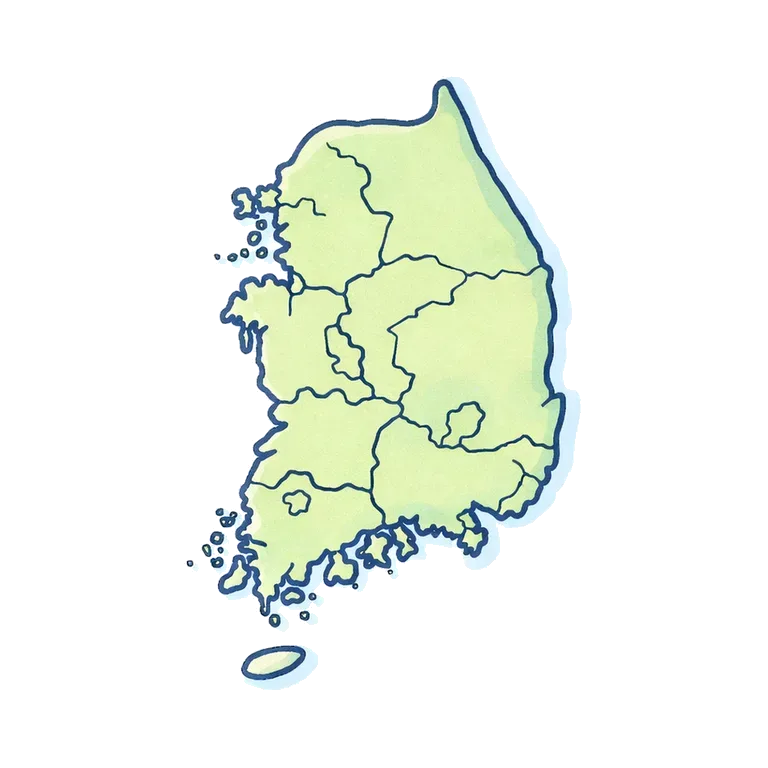
전국whole country
"전국" (whole country) means all parts of a country, not just one city or area. People use it when talking about things that happen everywhere in the country, like weather, travel, or news. In nature topics, it is often used for rain, snow, wind, or flowers across the country.
The difference
foreign country (외국) and whole country (전국) are nearby Korean vocabulary items learners often meet together. Use “foreign country” when 외국 means a country that is not your own country. People use it when talking about travel, study, work, or things from another country. In… Use “whole country” when "전국" (whole country) means all parts of a country, not just one city or area. People use it when talking about things that happen everywh…