
When to use ruins in Korean
Korean: 유적[ yu-jeok ]
When to use it
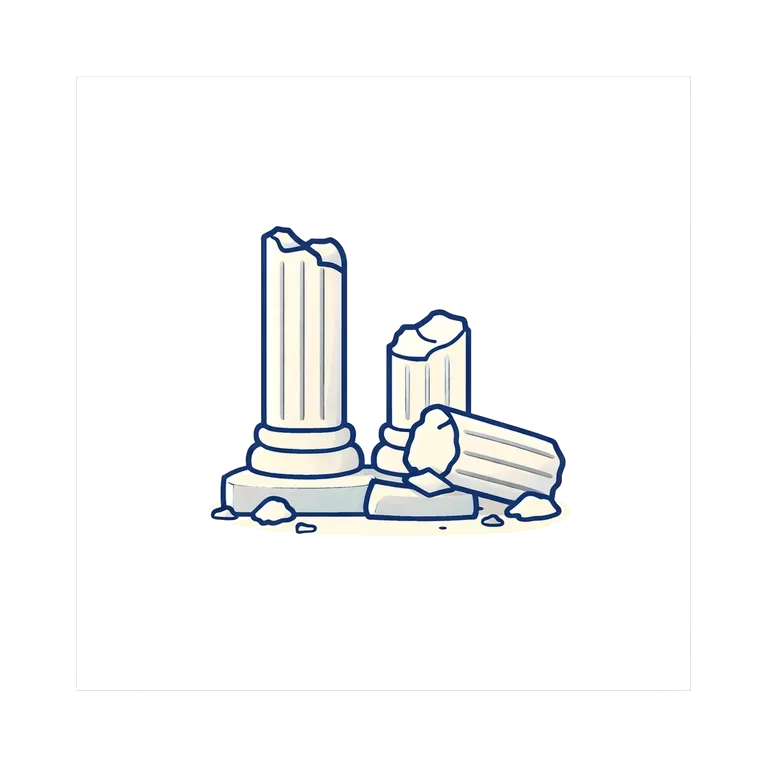
Ruins are old buildings, walls, or places left from a long time ago. In Korean, 유적 usually means historical remains that people visit or study. You can use it when talking about history, travel, or places in nature.
Example sentences
이 산길 끝에 오래된 유적이 있어요.
There are old ruins at the end of this mountain path.
역사 시간에 유적 사진을 봐요.
We look at pictures of ruins in history class.
아빠가 저 유적은 아주 유명하다고 말했어요.
Dad said those ruins are very famous.
기념품 가게에서 유적 그림 엽서를 샀어요.
I bought a postcard with a picture of ruins at the souvenir shop.
제주 여행에서 유적을 구경했어요.
I looked around some ruins on my trip to Jeju.
우리 가족은 유적 근처에서 도시락을 먹었어요.
My family ate lunch near the ruins.