
When to use stubborn old-fashioned authority in Korean
Korean: 꼰대[ kkon-dae ]
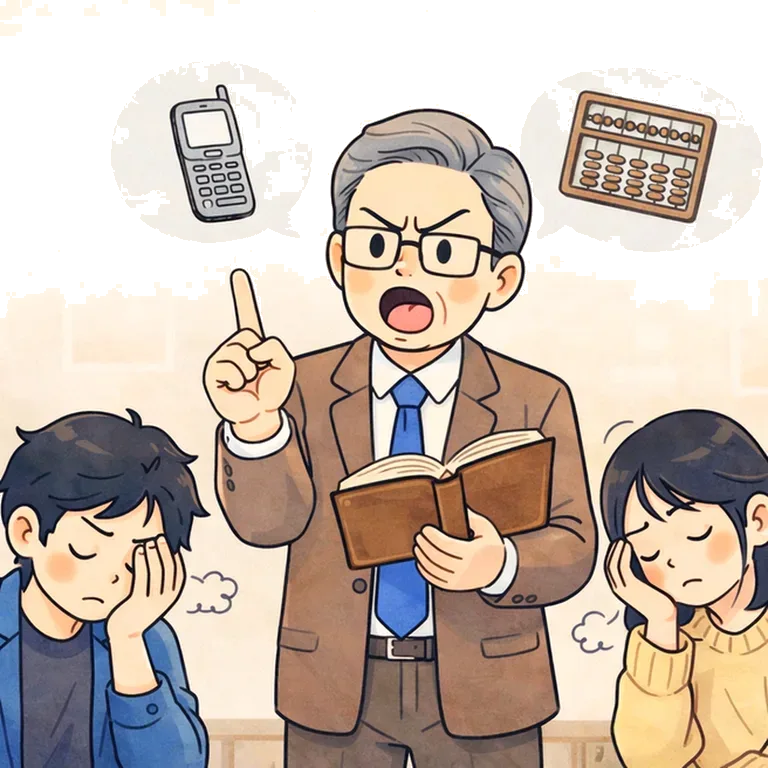
When to use it
(꼰대) is slang for a person, often older or in charge, who is very old-fashioned and always wants others to follow their way. People use it when someone acts bossy, says things like "In my day," or does not listen to younger people. It can sound funny in casual talk, but it is still a rude word, so use it carefully.
Example sentences
아빠가 내 말은 안 듣고 자기 말만 해서 꼰대 같아요.
My dad does not listen to me and only pushes his own ideas, so he seems old-fashioned and bossy.
학교에서 선생님이 학생 말을 안 듣고 규칙만 말하면 꼰대라고 해요.
At school, if a teacher does not listen to students and only talks about rules, students call them old-fashioned and bossy.
버스에서 어떤 아저씨가 젊은 사람들을 계속 혼내서 꼰대 같았어요.
On the bus, an older man kept scolding young people, so he seemed like a stubborn old-fashioned authority figure.
친구가 "요즘 애들은 몰라"라고 말해서 좀 꼰대 같았어요.
My friend said, "Kids these days don't know," so he sounded a bit old-fashioned and bossy.
가게 사장님이 카드 말고 현금만 쓰라고 해서 꼰대 같았어요.
The shop owner told us to use cash, not cards, so he seemed old-fashioned and bossy.
여행 중에 삼촌이 우리 계획은 안 듣고 자기 계획만 말해서 꼰대 같았어요.
During the trip, my uncle did not listen to our plan and only talked about his own, so he seemed old-fashioned and bossy.