2026년 7월 2일
I Thought Watching Korean Dramas Was Enough, But My Take Has Changed
I used to think that way too
Lots of people learning Korean seem to believe that just binging Korean dramas with English subtitles will magically push their skills forward. I used to think that way too. But after months or sometimes years of study, many find they aren’t really improving. Watching Korean shows with subtitles is not the same as actually learning the language. Those subtitles act like training wheels—they make things easier but stop your brain from working hard enough to build real skills. If you don’t actively engage with Korean-only input, what you get is mostly passive and shallow exposure.
There’s a common idea that simply immersing yourself in Korean will get you fluent. It’s tempting, especially for adults learning Korean as a second language. But adults don’t absorb Korean the way kids pick up their first language. They need clear lessons, explanations, and material that gradually gets harder. Without that kind of structure, learning can feel like a boat without a rudder—just drifting around. Or, to put it another way, it’s like trying to get somewhere without a map.
Even learners who do structured study often hit a wall because they skip practicing speaking or writing. Producing the language isn’t just a bonus, it’s essential. You wouldn’t expect to get good at dancing just by watching videos, would you? Korean is the same. Actively using the language makes your brain pull up words and grammar you can’t get from just listening or reading.
True immersion means surrounding yourself with Korean in a way that forces you to understand it directly—without translating back to your native language. Sure, it’s hard at first, especially if you’re a beginner. But this kind of challenge is probably the best way to train your brain to think in Korean. Many learners avoid this because it can feel slow and frustrating. Still, switching to Korean shows with Korean subtitles or no subtitles at all can seriously improve your understanding. If that’s too hard, graded readers or listening exercises made for your level are good steps.
Practicing output every day doesn’t mean you need a perfect language partner or a costly tutor. Simple habits like keeping a Korean diary, talking to yourself in Korean, recording your voice, or repeating audio can help a lot. These might feel strange at first, but they get your brain actively using the language and slowly build fluency. Plus, you can do them anytime, anywhere—no need to wait for someone else.
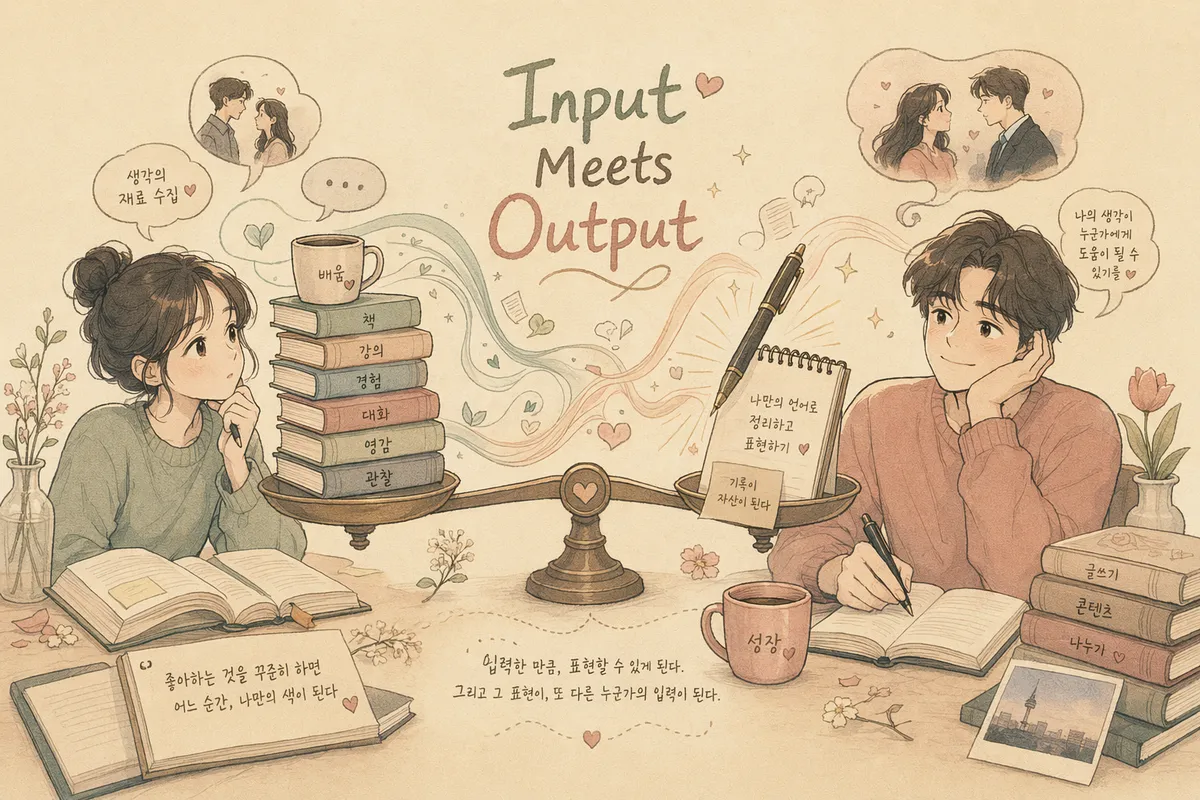
At the end of the day, no method works without time. Fluency doesn’t happen overnight. What really counts is consistent, focused practice that balances structured study, immersive input, and active output. Spending 30 focused minutes a day will get you farther than hours of passively watching dramas with subtitles and then quitting for the day. Quality and balance beat quantity and passivity every time.
Learning Korean is a marathon, not a sprint. If you feel stuck, maybe it’s time to rethink your approach. Are you just passively watching Korean with English subtitles? Skipping lessons because immersion sounds easier? Avoiding speaking or writing because it’s intimidating? Mastery doesn’t come from one magic trick. It comes from balancing study, real Korean exposure without shortcuts, and actively using the language. That’s what makes Korean feel alive beyond the screen.
There’s a common idea that simply immersing yourself in Korean will get you fluent. It’s tempting, especially for adults learning Korean as a second language. But adults don’t absorb Korean the way kids pick up their first language. They need clear lessons, explanations, and material that gradually gets harder. Without that kind of structure, learning can feel like a boat without a rudder—just drifting around. Or, to put it another way, it’s like trying to get somewhere without a map.
Even learners who do structured study often hit a wall because they skip practicing speaking or writing. Producing the language isn’t just a bonus, it’s essential. You wouldn’t expect to get good at dancing just by watching videos, would you? Korean is the same. Actively using the language makes your brain pull up words and grammar you can’t get from just listening or reading.
True immersion means surrounding yourself with Korean in a way that forces you to understand it directly—without translating back to your native language. Sure, it’s hard at first, especially if you’re a beginner. But this kind of challenge is probably the best way to train your brain to think in Korean. Many learners avoid this because it can feel slow and frustrating. Still, switching to Korean shows with Korean subtitles or no subtitles at all can seriously improve your understanding. If that’s too hard, graded readers or listening exercises made for your level are good steps.
Practicing output every day doesn’t mean you need a perfect language partner or a costly tutor. Simple habits like keeping a Korean diary, talking to yourself in Korean, recording your voice, or repeating audio can help a lot. These might feel strange at first, but they get your brain actively using the language and slowly build fluency. Plus, you can do them anytime, anywhere—no need to wait for someone else.
At the end of the day, no method works without time. Fluency doesn’t happen overnight. What really counts is consistent, focused practice that balances structured study, immersive input, and active output. Spending 30 focused minutes a day will get you farther than hours of passively watching dramas with subtitles and then quitting for the day. Quality and balance beat quantity and passivity every time.
Learning Korean is a marathon, not a sprint. If you feel stuck, maybe it’s time to rethink your approach. Are you just passively watching Korean with English subtitles? Skipping lessons because immersion sounds easier? Avoiding speaking or writing because it’s intimidating? Mastery doesn’t come from one magic trick. It comes from balancing study, real Korean exposure without shortcuts, and actively using the language. That’s what makes Korean feel alive beyond the screen.